quofuit

William Marshal, 1st Earl of Pembroke

1146 to 1219 3 documented presences 3 places

Quo Fuit places 3 dated presences for William Marshal, 1st Earl of Pembroke across 3 places, from 1194 to 1219. Each one keeps the sentence it was taken from and a link to its source.

William Marshal, 1st Earl of Pembroke (1146 or 1147 – 14 May 1219), also called William the Marshal (Norman French: ', French: '), was an Anglo-Norman soldier and statesman during High Medieval England who served five English kings—Henry II and his son and co-ruler Young Henry, Richard I, John, and Wikipedia, full article · CC BY-SA
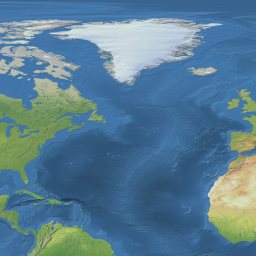
Every dot is a place William Marshal, 1st Earl of Pembroke is documented in, on a dated record. The interactive globe carries the full detail.

Where William Marshal, 1st Earl of Pembroke was documented, and when

1194year
Englandattested “In the spring of 1194 during the course of the hostilities in England and before Richard's return, William's elder brother John Marshal (who was serving as seneschal) was killed while defending Marlborough for John.” source: Wikipedia: William Marshal, 1st Earl of Pembroke
11 November 1216exact date
Gloucesterattested “On 11 November 1216 at Gloucester, upon the death of King John, William was named by the king's council (the chief barons who had remained loyal to King John in the First Barons' War) to serve as protector of Henry and regent of the king…” source: Wikipedia: William Marshal, 1st Earl of Pembroke
14 May 1219exact date
Caversham, Readingattested “He died peacefully on 14 May 1219 at Caversham, surrounded by his friends and family.” source: Wikipedia: William Marshal, 1st Earl of Pembroke

Open Quo Fuit to see these 3 presences on the globe, filter them by date, and follow the journey year by year.

Places William Marshal, 1st Earl of Pembroke is documented in

England1 presence · 1194
Caversham, Reading1 presence · 1219
Gloucester1 presence · 1216

Other places tied to William Marshal, 1st Earl of Pembroke in the record

In each of these, a source puts William Marshal, 1st Earl of Pembroke and the place in the same dated sentence without stating that William Marshal, 1st Earl of Pembroke was there. They are kept apart from the timeline above for exactly that reason: a mention is not a presence, and Quo Fuit does not quietly promote one into the other.

6 November 1153exact date
Winchestermentioned “William remained a crown hostage for many months and was released following the peace resulting from the terms agreed at Winchester on 6 November 1153, by which the civil war was ended.” source: Wikipedia: William Marshal, 1st Earl of Pembroke
1166year
Upper Normandymentioned “In 1166, William was knighted on campaign in Upper Normandy, which was invaded from Flanders.” source: Wikipedia: William Marshal, 1st Earl of Pembroke
1166year
Flandersmentioned “In 1166, William was knighted on campaign in Upper Normandy, which was invaded from Flanders.” source: Wikipedia: William Marshal, 1st Earl of Pembroke
1189year
Le Mansmentioned “In 1189 while covering the flight of Henry from Le Mans to Chinon, William unhorsed Richard in a skirmish.” source: Wikipedia: William Marshal, 1st Earl of Pembroke
1189year
Chinonmentioned “In 1189 while covering the flight of Henry from Le Mans to Chinon, William unhorsed Richard in a skirmish.” source: Wikipedia: William Marshal, 1st Earl of Pembroke
March 1207month
Leinstermentioned “William chose to proceed with the expedition anyway, arriving in Leinster in March 1207.” source: Wikipedia: William Marshal, 1st Earl of Pembroke
1210year
Englandmentioned “He was once again at odds with King John in his war with the Braose and Lacy families in 1210, having briefly harboured William de Braose during his flight from England; however, he took no part in the fighting, and was able to retain hi…” source: Wikipedia: William Marshal, 1st Earl of Pembroke
1213year
Irelandmentioned “He stayed in Ireland until 1213, during which time he had Carlow Castle erected and restructured his honour of Leinster.” source: Wikipedia: William Marshal, 1st Earl of Pembroke
15 June 1215exact date
Runnymedementioned “Despite their differences, William remained loyal throughout the hostilities between John and his barons which culminated on 15 June 1215 at Runnymede with the sealing of Magna Carta.” source: Wikipedia: William Marshal, 1st Earl of Pembroke
September 1217month
Englandmentioned “William was criticised for the generosity of the terms he accorded to Louis in September 1217, but his expedient settlement was dictated by sound statesmanship and a desire to remove the French from England as quickly as possible.” source: Wikipedia: William Marshal, 1st Earl of Pembroke

How to read this page

Every line above is a dated fact taken from a source, with the sentence it came from and a link back to it. Nothing is inferred, and a gap in the record is not evidence that someone was elsewhere.

A tag says how the fact is carried by its source: documented a structured, explicitly dated record, attested a sentence that states the person was there, mentioned a sentence that ties the person to the place without stating presence.

Sources

Sentences quoted from Wikipedia are available under CC BY-SA 4.0. Public domain books come from Project Gutenberg. Quo Fuit claims no rights over these sources.

See William Marshal, 1st Earl of Pembroke on a 3D globe, filter the record by date, and cross this life with another to find where the two overlap.

Open William Marshal, 1st Earl of Pembroke on the globe