quofuit

Tomás Luis de Victoria

1548 to 1611 5 documented presences 4 places

Quo Fuit places 5 dated presences for Tomás Luis de Victoria across 4 places, from 1548 to 1593. Each one keeps the sentence it was taken from and a link to its source.

Tomás Luis de Victoria (sometimes Italianised as da Vittoria;) was the most famous Spanish composer of the Renaissance.Wikipedia, full article · CC BY-SA
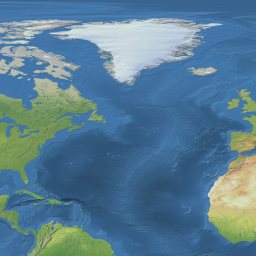
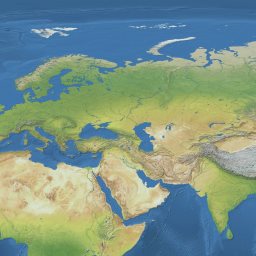
Every dot is a place Tomás Luis de Victoria is documented in, on a dated record. The interactive globe carries the full detail.

Where Tomás Luis de Victoria was documented, and when

1548year
Ávilaattested “Tomás Luis de Victoria was born around 1548, most likely in Ávila, the main residence of his family at the time.” source: Wikipedia: Tomás Luis de Victoria
1565year
Romeattested “After receiving a grant from Philip II in 1565, Victoria went to Rome and became cantor at the German College founded by St.” source: Wikipedia: Tomás Luis de Victoria
1565year
Collegium Germanicum et Hungaricumattested “After receiving a grant from Philip II in 1565, Victoria went to Rome and became cantor at the German College founded by St.” source: Wikipedia: Tomás Luis de Victoria
1587year
Monasterioattested “In 1587 Philip II honoured Victoria's desire to return to his native Spain, naming him chaplain to his sister, the Dowager Empress María, daughter of Charles V, who had been living in retirement with her daughter Princess Margarita at th…” source: Wikipedia: Tomás Luis de Victoria
1593 to 1594period
Romeattested “He was able to visit Rome in 1593 for two years, attending Palestrina's funeral in 1594.” source: Wikipedia: Tomás Luis de Victoria

Open Quo Fuit to see these 5 presences on the globe, filter them by date, and follow the journey year by year.

Places Tomás Luis de Victoria is documented in

Rome2 presences · 1565 to 1593
Ávila1 presence · 1548
Collegium Germanicum et Hungaricum1 presence · 1565
Monasterio1 presence · 1587

Other places tied to Tomás Luis de Victoria in the record

In each of these, a source puts Tomás Luis de Victoria and the place in the same dated sentence without stating that Tomás Luis de Victoria was there. They are kept apart from the timeline above for exactly that reason: a mention is not a presence, and Quo Fuit does not quietly promote one into the other.

1571year
Collegium Germanicum et Hungaricummentioned “In 1571, he was hired at the German College as a teacher and began earning his first steady income.” source: Wikipedia: Tomás Luis de Victoria
1581year
Madridmentioned “Clara at Madrid from 1581.” source: Wikipedia: Tomás Luis de Victoria
1587 to 1611period
Descalzas Realesmentioned “Victoria was also being paid much more at the Descalzas Reales than he would have earned as a cathedral chapelmaster, receiving an annual income from absentee benefices from 1587 to 1611.” source: Wikipedia: Tomás Luis de Victoria

Documented at the same place, the same year

Alessandro Farnese (cardinal)Rome · 1565

Two people documented in the same place in the same year is a correlation, not a meeting. Quo Fuit will never say they met without a source that says so.

How to read this page

Every line above is a dated fact taken from a source, with the sentence it came from and a link back to it. Nothing is inferred, and a gap in the record is not evidence that someone was elsewhere.

A tag says how the fact is carried by its source: documented a structured, explicitly dated record, attested a sentence that states the person was there, mentioned a sentence that ties the person to the place without stating presence.

Sources

Sentences quoted from Wikipedia are available under CC BY-SA 4.0. Public domain books come from Project Gutenberg. Quo Fuit claims no rights over these sources.

See Tomás Luis de Victoria on a 3D globe, filter the record by date, and cross this life with another to find where the two overlap.

Open Tomás Luis de Victoria on the globe