Quo Fuit places 3 dated presences for Theophrastus across 2 places, from 335 BC to 7 BC.
Each one keeps the sentence it was taken from and a link to its source.
Theophrastus (c. 371 – c. 287 BC) was an ancient Greek philosopher and naturalist.Wikipedia, full article · CC BY-SA
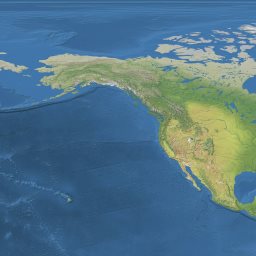
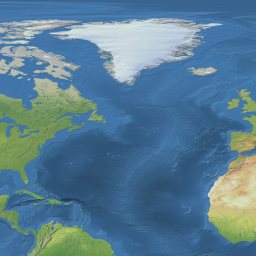
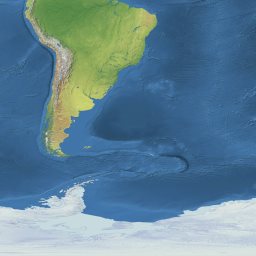
Every dot is a place Theophrastus is documented in, on a dated record. The interactive globe carries the full detail.
Where Theophrastus was documented, and when
335 BCyear
Athensattested“Around 335 BC, Theophrastus moved with Aristotle to Athens, where Aristotle began teaching in the Lyceum.”source: Wikipedia: Theophrastus
335 BCyear
Lyceum (classical)attested“Around 335 BC, Theophrastus moved with Aristotle to Athens, where Aristotle began teaching in the Lyceum.”source: Wikipedia: Theophrastus
7 BCyear
Athensattested“He became friends with Aristotle, and when Plato died (348/7 BC) Theophrastus may have joined Aristotle in his self-imposed exile from Athens.”source: Wikipedia: Theophrastus
Open Quo Fuit to see these 3 presences on the
globe, filter them by date, and follow the journey year by year.
In each of these, a source puts Theophrastus and the place in the same dated sentence without stating
that Theophrastus was there. They are kept apart from the timeline above for exactly that reason:
a mention is not a presence, and Quo Fuit does not quietly promote one into the other.
1483 to 1495period
Trevisomentioned“Much of the information on the Greek plants may have come from his own observations, as he is known to have travelled throughout Greece, and to have had a botanical garden of his own; but the works also profit from the reports on plants…”source: Wikipedia: Theophrastus
1483 to 1495period
Venicementioned“Much of the information on the Greek plants may have come from his own observations, as he is known to have travelled throughout Greece, and to have had a botanical garden of his own; but the works also profit from the reports on plants…”source: Wikipedia: Theophrastus
1541year
Baselmentioned“This text was reprinted in the Basle edition of Oporinus in 1541, and in the Aldine edition of Camotius in 1552.”source: Wikipedia: Theophrastus
1577year
Parismentioned“The first separate text of the work, issued by Morel at Paris in 1577, was a vast improvement on that of the previous editions.”source: Wikipedia: Theophrastus
1584year
Cyprusmentioned“André Thevet illustrated in his iconographic compendium, (Paris, 1584), an alleged portrait plagiarized from the bust, supporting his fraud with the invented tale that he had obtained it from the library of a Greek in Cyprus and that he…”source: Wikipedia: Theophrastus
1818year
Bibliothèque nationale de Francementioned“Schneider, who made the first modern critical edition, 1818–21, and the excerpts in the Codex Parisiensis in the Bibliothèque nationale de France.”source: Wikipedia: Theophrastus
How to read this page
Every line above is a dated fact taken from a source, with the sentence it came from and a link
back to it. Nothing is inferred, and a gap in the record is not evidence that someone was elsewhere.
A tag says how the fact is carried by its source: documented a structured,
explicitly dated record, attested a sentence that states the person was there,
mentioned a sentence that ties the person to the place without stating presence.
Sentences quoted from Wikipedia are available under CC BY-SA 4.0. Public domain books come from
Project Gutenberg. Quo Fuit claims no rights over these sources.
See Theophrastus on a 3D globe, filter the record by date, and cross this life with another to find
where the two overlap.