quofuit

Stéphanie Félicité, comtesse de Genlis

1746 to 1830 3 documented presences 3 places

Quo Fuit places 3 dated presences for Stéphanie Félicité, comtesse de Genlis across 3 places, from 1746 to 1797. Each one keeps the sentence it was taken from and a link to its source.

Caroline-Stéphanie-Félicité, Madame de Genlis (25 January 1746 – 31 December 1830) was a French writer of the late 18th and early 19th century, known for her novels and theories of children's education.Wikipedia, full article · CC BY-SA
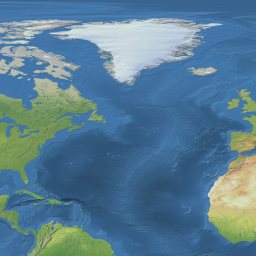
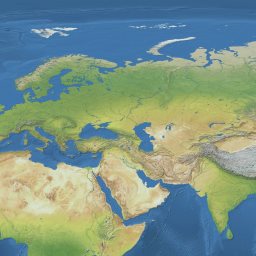
Every dot is a place Stéphanie Félicité, comtesse de Genlis is documented in, on a dated record. The interactive globe carries the full detail.

Where Stéphanie Félicité, comtesse de Genlis was documented, and when

25 April 1746exact date
Saône-et-Loireattested “Caroline-Stéphanie-Félicité du Crest de Saint-Aubin was born on 25 April 1746 at Champcéry near Autun, in the Saône-et-Loire region.” source: Wikipedia: Stéphanie Félicité, comtesse de Genlis
25 April 1746exact date
Autunattested “Caroline-Stéphanie-Félicité du Crest de Saint-Aubin was born on 25 April 1746 at Champcéry near Autun, in the Saône-et-Loire region.” source: Wikipedia: Stéphanie Félicité, comtesse de Genlis
1797year
Hamburgattested “Considered too liberal by Frederick William II, she was forced to live in Hamburg but returned when his son succeeded him in 1797.” source: Wikipedia: Stéphanie Félicité, comtesse de Genlis

Open Quo Fuit to see these 3 presences on the globe, filter them by date, and follow the journey year by year.

Places Stéphanie Félicité, comtesse de Genlis is documented in

Hamburg1 presence · 1797
Autun1 presence · 1746
Saône-et-Loire1 presence · 1746

Other places tied to Stéphanie Félicité, comtesse de Genlis in the record

In each of these, a source puts Stéphanie Félicité, comtesse de Genlis and the place in the same dated sentence without stating that Stéphanie Félicité, comtesse de Genlis was there. They are kept apart from the timeline above for exactly that reason: a mention is not a presence, and Quo Fuit does not quietly promote one into the other.

1737 to 1793period
Santo Domingomentioned “Pierre César was captured by the English while returning from Santo Domingo in 1760 and one of his fellow prisoners was Charles-Alexis Brûlart, Comte de Genlis (1737–1793), whom he introduced to his daughter after their release.” source: Wikipedia: Stéphanie Félicité, comtesse de Genlis
1757year
Parismentioned “Her father's debts forced him to sell their home in 1757 and move to Paris.” source: Wikipedia: Stéphanie Félicité, comtesse de Genlis
1772 to 1773period
Palais-Royalmentioned “She married the duc d'Orléans in 1773, although barred from using the title 'Duchess of Orléans.' With her support, Stéphanie-Félicité became lady-in-waiting to Louise Marie Adélaïde de Bourbon, wife of the Duke's son Philippe d'Orléans,…” source: Wikipedia: Stéphanie Félicité, comtesse de Genlis
1782year
Lusignanomentioned “In 1782 she published her first epistolary novel Adèle et Thèodore written while on holiday in Lusignano in Liguria.” source: Wikipedia: Stéphanie Félicité, comtesse de Genlis
1782year
Liguriamentioned “In 1782 she published her first epistolary novel Adèle et Thèodore written while on holiday in Lusignano in Liguria.” source: Wikipedia: Stéphanie Félicité, comtesse de Genlis
1794year
Switzerlandmentioned “Stéphanie-Félicité and her pupil Mademoiselle d'Orléans took refuge in Switzerland, before moving to Berlin in 1794.” source: Wikipedia: Stéphanie Félicité, comtesse de Genlis
1794year
Berlinmentioned “Stéphanie-Félicité and her pupil Mademoiselle d'Orléans took refuge in Switzerland, before moving to Berlin in 1794.” source: Wikipedia: Stéphanie Félicité, comtesse de Genlis
31 December 1830exact date
Parismentioned “It is possible that she also had one or more secret offspring; as Talleyrand later wrote: "In spite of the strictness which she preached and the morality which she professed in her writing, one always meets in her later novels something…” source: Wikipedia: Stéphanie Félicité, comtesse de Genlis
31 December 1830exact date
Père Lachaise Cemeterymentioned “It is possible that she also had one or more secret offspring; as Talleyrand later wrote: "In spite of the strictness which she preached and the morality which she professed in her writing, one always meets in her later novels something…” source: Wikipedia: Stéphanie Félicité, comtesse de Genlis

How to read this page

Every line above is a dated fact taken from a source, with the sentence it came from and a link back to it. Nothing is inferred, and a gap in the record is not evidence that someone was elsewhere.

A tag says how the fact is carried by its source: documented a structured, explicitly dated record, attested a sentence that states the person was there, mentioned a sentence that ties the person to the place without stating presence.

Sources

Sentences quoted from Wikipedia are available under CC BY-SA 4.0. Public domain books come from Project Gutenberg. Quo Fuit claims no rights over these sources.

See Stéphanie Félicité, comtesse de Genlis on a 3D globe, filter the record by date, and cross this life with another to find where the two overlap.

Open Stéphanie Félicité, comtesse de Genlis on the globe