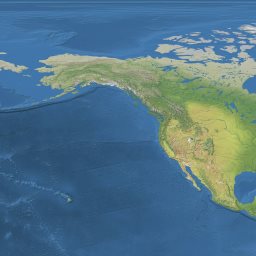
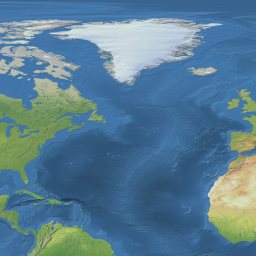
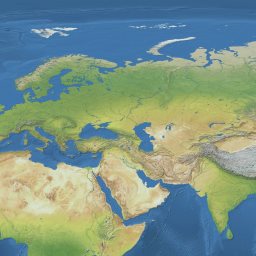
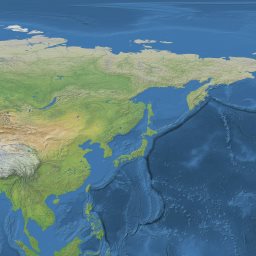
Quo Fuit places 3 dated presences for Luís Cabral across 3 places, from 1931 to 2009.
Each one keeps the sentence it was taken from and a link to its source.
Luís Severino de Almeida Cabral (11 April 1931 – 30 May 2009) was a Bissau-Guinean politician who was the first President of Guinea-Bissau.Wikipedia, full article · CC BY-SA
Every dot is a place Luís Cabral is documented in, on a dated record. The interactive globe carries the full detail.
Where Luís Cabral was documented, and when
11 April 1931exact date
Cape Verdeattested“Luís Cabral was born in the city of Bissau, Portuguese Guinea, on April 11, 1931, to mestiço (mixed-race) parents originally from Cape Verde.”source: Wikipedia: Luís Cabral
22 October 1999exact date
Lisbonattested“On October 22, 1999, following Vieira's ouster, coup leader Ansumane Mane invited Cabral to return, giving him a passport marking him as "President of the Guinea Bissau Council of State" while in Lisbon.”source: Wikipedia: Luís Cabral
30 May 2009exact date
Torres Vedrasattested“Cabral died aged 78 on May 30, 2009, in Torres Vedras, Portugal.”source: Wikipedia: Luís Cabral
Open Quo Fuit to see these 3 presences on the
globe, filter them by date, and follow the journey year by year.
In each of these, a source puts Luís Cabral and the place in the same dated sentence without stating
that Luís Cabral was there. They are kept apart from the timeline above for exactly that reason:
a mention is not a presence, and Quo Fuit does not quietly promote one into the other.
1973year
Conakrymentioned“Luís Cabral's rise to leadership began in 1973, after the assassination in Conakry, Guinea, of his half-brother Amílcar Cabral, the noted Pan-African intellectual and founder of the PAIGC.”source: Wikipedia: Luís Cabral
April 1974month
Portuguese Guineamentioned“Following the Carnation Revolution in April 1974 in Lisbon, the new left-wing revolutionary government of Portugal granted independence to Portuguese Guinea, as Guinea-Bissau, on September 10 that same year.”source: Wikipedia: Luís Cabral
April 1974month
Portugalmentioned“Following the Carnation Revolution in April 1974 in Lisbon, the new left-wing revolutionary government of Portugal granted independence to Portuguese Guinea, as Guinea-Bissau, on September 10 that same year.”source: Wikipedia: Luís Cabral
April 1974month
Lisbonmentioned“Following the Carnation Revolution in April 1974 in Lisbon, the new left-wing revolutionary government of Portugal granted independence to Portuguese Guinea, as Guinea-Bissau, on September 10 that same year.”source: Wikipedia: Luís Cabral
1978year
Portugalmentioned“The Guinean president visited Portugal in 1978 and President Ramalho Eanes visited the former colony the next year, referring to the Luso-Guinean relationship as a model for those Portugal sought to establish with Angola and Mozambique.”source: Wikipedia: Luís Cabral
1980 to 2009period
Portugalmentioned“After the 1980 Guinea-Bissau coup d'état, he was sent into exile, first in Cuba, which offered to receive him, then (in 1984), in Portugal, where the Portuguese Government received him and gave him measure to live with his family, until…”source: Wikipedia: Luís Cabral
1980 to 2009period
Cubamentioned“After the 1980 Guinea-Bissau coup d'état, he was sent into exile, first in Cuba, which offered to receive him, then (in 1984), in Portugal, where the Portuguese Government received him and gave him measure to live with his family, until…”source: Wikipedia: Luís Cabral
November 1999month
Bissaumentioned“Cabral was in Bissau in mid-November 1999, and said on the occasion that he did not want to become active in politics again or to rejoin PAIGC.”source: Wikipedia: Luís Cabral
How to read this page
Every line above is a dated fact taken from a source, with the sentence it came from and a link
back to it. Nothing is inferred, and a gap in the record is not evidence that someone was elsewhere.
A tag says how the fact is carried by its source: documented a structured,
explicitly dated record, attested a sentence that states the person was there,
mentioned a sentence that ties the person to the place without stating presence.
Sentences quoted from Wikipedia are available under CC BY-SA 4.0. Public domain books come from
Project Gutenberg. Quo Fuit claims no rights over these sources.
See Luís Cabral on a 3D globe, filter the record by date, and cross this life with another to find
where the two overlap.