quofuit

Leo Africanus

1494 to 1554 3 documented presences 3 places

Quo Fuit places 3 dated presences for Leo Africanus across 3 places, from 1494 to 1550. Each one keeps the sentence it was taken from and a link to its source.

Johannes Leo Africanus (born al-Ḥasan ibn Muḥammad ibn Aḥmad al-Wazzān al-Zayyātī al-Fasī, –) was an Andalusi diplomat and author who is best known for his 1526 book Cosmographia et geographia de Affrica, later published by Giovanni Battista Ramusio as Descrittione dell'Africa (Description of Wikipedia, full article · CC BY-SA
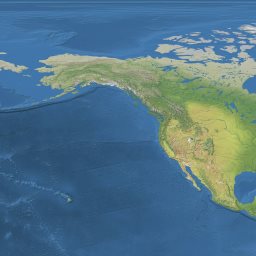
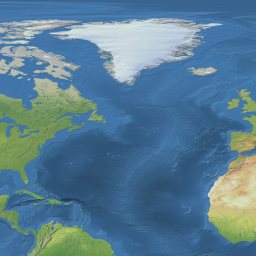
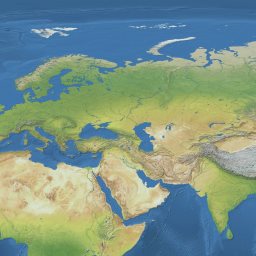
Every dot is a place Leo Africanus is documented in, on a dated record. The interactive globe carries the full detail.

Where Leo Africanus was documented, and when

1494year
Granadaattested “Leo Africanus was born as al-Hasan, son of Muhammad in Granada around the year 1494.” source: Wikipedia: Leo Africanus
1550year
Romeattested “According to one theory, he spent it in Rome until he died around 1550, the year Description of Africa was published.” source: Wikipedia: Leo Africanus
1550year
Tunisattested “He then returned to North Africa and lived in Tunis until his death, some time after 1550.” source: Wikipedia: Leo Africanus

Open Quo Fuit to see these 3 presences on the globe, filter them by date, and follow the journey year by year.

Places Leo Africanus is documented in

Rome1 presence · 1550
Granada1 presence · 1494
Tunis1 presence · 1550

Other places tied to Leo Africanus in the record

In each of these, a source puts Leo Africanus and the place in the same dated sentence without stating that Leo Africanus was there. They are kept apart from the timeline above for exactly that reason: a mention is not a presence, and Quo Fuit does not quietly promote one into the other.

1517year
Istanbulmentioned “In 1517 when returning from a diplomatic mission to Constantinople on behalf of the Sultan of Fez Muhammad II he found himself in the port of Rosetta during the Ottoman conquest of Egypt.” source: Wikipedia: Leo Africanus
1518year
Tunismentioned “On his way back to Tunis in 1518 he was captured by Spanish corsairs either near the island of Djerba or more probably near Crete, and imprisoned on the island of Rhodes, the headquarters of the Knights Hospitaller.” source: Wikipedia: Leo Africanus
1518year
Cretementioned “On his way back to Tunis in 1518 he was captured by Spanish corsairs either near the island of Djerba or more probably near Crete, and imprisoned on the island of Rhodes, the headquarters of the Knights Hospitaller.” source: Wikipedia: Leo Africanus
1520year
St. Peter's Basilicamentioned “He was baptized in the Basilica of Saint Peter's in 1520.” source: Wikipedia: Leo Africanus
1526year
Romementioned “He returned to Rome in 1526 under the protection of the new Pope Clement VII, a cousin of Leo X who replaced Adrian.” source: Wikipedia: Leo Africanus
1535year
Tunismentioned “Yet another theory said that he left Tunis after it was captured by Charles V in 1535 for Morocco, his second home country after Granada where his relatives were still living.” source: Wikipedia: Leo Africanus

Documented at the same place, the same year

Federico ZuccariRome · 1550

Two people documented in the same place in the same year is a correlation, not a meeting. Quo Fuit will never say they met without a source that says so.

How to read this page

Every line above is a dated fact taken from a source, with the sentence it came from and a link back to it. Nothing is inferred, and a gap in the record is not evidence that someone was elsewhere.

A tag says how the fact is carried by its source: documented a structured, explicitly dated record, attested a sentence that states the person was there, mentioned a sentence that ties the person to the place without stating presence.

Sources

Sentences quoted from Wikipedia are available under CC BY-SA 4.0. Public domain books come from Project Gutenberg. Quo Fuit claims no rights over these sources.

See Leo Africanus on a 3D globe, filter the record by date, and cross this life with another to find where the two overlap.

Open Leo Africanus on the globe