Quo Fuit places 10 dated presences for György Kurtág across 8 places, from 1926 to 2024.
Each one keeps the sentence it was taken from and a link to its source.
György Kurtág (born 19 February 1926) is a Hungarian composer of contemporary classical music and pianist.Wikipedia, full article · CC BY-SA
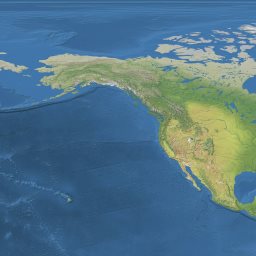
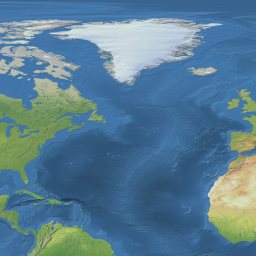
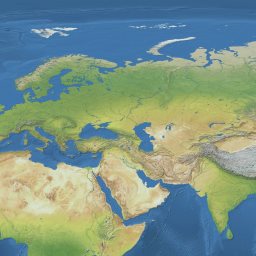
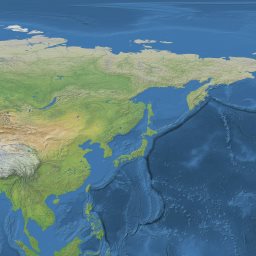
Every dot is a place György Kurtág is documented in, on a dated record. The interactive globe carries the full detail.
Where György Kurtág was documented, and when
19 February 1926exact date
Lugojattested“György Kurtág was born on 19 February 1926 in Lugoj, Romania, to Jewish Hungarian parents.”source: Wikipedia: György Kurtág
1946 to 1948period
Budapestattested“He moved to Budapest in 1946 and became a Hungarian citizen in 1948.”source: Wikipedia: György Kurtág
1957 to 1958period
Parisattested“He was able to live in Paris between 1957 and 1958, a time of critical importance for him, studying with Max Deutsch, Olivier Messiaen, and Darius Milhaud, discovering the plays by Samuel Beckett and scores by Anton Webern.”source: Wikipedia: György Kurtág
1967 to 1993period
Franz Liszt Academyattested“In 1967, he was appointed professor of piano and later also of chamber music at the Franz Liszt Academy, where he taught until 1993.”source: Wikipedia: György Kurtág
1996 to 2001period
Netherlandsattested“He then lived in the Netherlands (1996–98), again in Berlin (1998–99) and upon invitation by Ensemble intercontemporain, Cité de la Musique, and Festival d'Automne, in Paris (1999–2001).”source: Wikipedia: György Kurtág
1996 to 2001period
Parisattested“He then lived in the Netherlands (1996–98), again in Berlin (1998–99) and upon invitation by Ensemble intercontemporain, Cité de la Musique, and Festival d'Automne, in Paris (1999–2001).”source: Wikipedia: György Kurtág
1996 to 2001period
Berlinattested“He then lived in the Netherlands (1996–98), again in Berlin (1998–99) and upon invitation by Ensemble intercontemporain, Cité de la Musique, and Festival d'Automne, in Paris (1999–2001).”source: Wikipedia: György Kurtág
2002 to 2015period
Bordeauxattested“Kurtág and his wife lived near Bordeaux from 2002 to 2015, when they moved back to Budapest.”source: Wikipedia: György Kurtág
2002 to 2015period
Budapestattested“Kurtág and his wife lived near Bordeaux from 2002 to 2015, when they moved back to Budapest.”source: Wikipedia: György Kurtág
2024year
Israelattested“In 2024 Kurtág received the Wolf Prize, an international award granted in Israel, "for his contribution to the world's cultural heritage, which is fundamentally inspirational and human".”source: Wikipedia: György Kurtág
Open Quo Fuit to see these 10 presences on the
globe, filter them by date, and follow the journey year by year.
In each of these, a source puts György Kurtág and the place in the same dated sentence without stating
that György Kurtág was there. They are kept apart from the timeline above for exactly that reason:
a mention is not a presence, and Quo Fuit does not quietly promote one into the other.
1958 to 1960period
Budapestmentioned“Kurtág worked as a répétiteur at the Bartók Music School (1958–63) and at the National Philharmonia in Budapest (1960–68).”source: Wikipedia: György Kurtág
1959year
Budapestmentioned“The string quartet he composed in 1959 after his return to Budapest marks a crucial turning point; he calls it his Opus 1.”source: Wikipedia: György Kurtág
1981year
Parismentioned“Kurtág's international recognition began to grow in 1981 with the premiere in Paris of Messages of the Late Miss R.V.”source: Wikipedia: György Kurtág
1993 to 1995period
Berlinmentioned“Since the early 1990s, he has worked abroad with increasing frequency: he was composer in residence at the Berlin Philharmonic (1993–95) and the Vienna Konzerthaus Society (1995).”source: Wikipedia: György Kurtág
2013year
Royal Philharmonic Societymentioned“When he received the gold medal from the Royal Philharmonic Society in London in 2013, they played at the Queen Elizabeth Hall in London.”source: Wikipedia: György Kurtág
2013year
Queen Elizabeth Hallmentioned“When he received the gold medal from the Royal Philharmonic Society in London in 2013, they played at the Queen Elizabeth Hall in London.”source: Wikipedia: György Kurtág
2013year
Londonmentioned“When he received the gold medal from the Royal Philharmonic Society in London in 2013, they played at the Queen Elizabeth Hall in London.”source: Wikipedia: György Kurtág
15 November 2018exact date
La Scalamentioned“He composed an opera, Fin de partie to a libretto he derived from Beckett's Endgame, which premiered at La Scala in Milan on 15 November 2018, eight years after the original commission.”source: Wikipedia: György Kurtág
Two people documented in the same place in the same year is a correlation, not a meeting.
Quo Fuit will never say they met without a source that says so.
How to read this page
Every line above is a dated fact taken from a source, with the sentence it came from and a link
back to it. Nothing is inferred, and a gap in the record is not evidence that someone was elsewhere.
A tag says how the fact is carried by its source: documented a structured,
explicitly dated record, attested a sentence that states the person was there,
mentioned a sentence that ties the person to the place without stating presence.
Sentences quoted from Wikipedia are available under CC BY-SA 4.0. Public domain books come from
Project Gutenberg. Quo Fuit claims no rights over these sources.
See György Kurtág on a 3D globe, filter the record by date, and cross this life with another to find
where the two overlap.